

Woodworking vs. Perfection
Wood entices us with its natural beauty, usefulness, and endless variety. Yet, perhaps more than any other raw material, it defies the artisan's Sisyphean quest for perfection.
Dear Friends,
In today’s story, the final installment of our three-part “mini series” by master craftsman and teacher Gary Rogowski, he contemplates one of woodworking’s most seductive and self-defeating illusions: perfection. Gary reminds us that wood is alive, moody, and gloriously unpredictable. Wood moves, it breathes—and sometimes, it betrays.
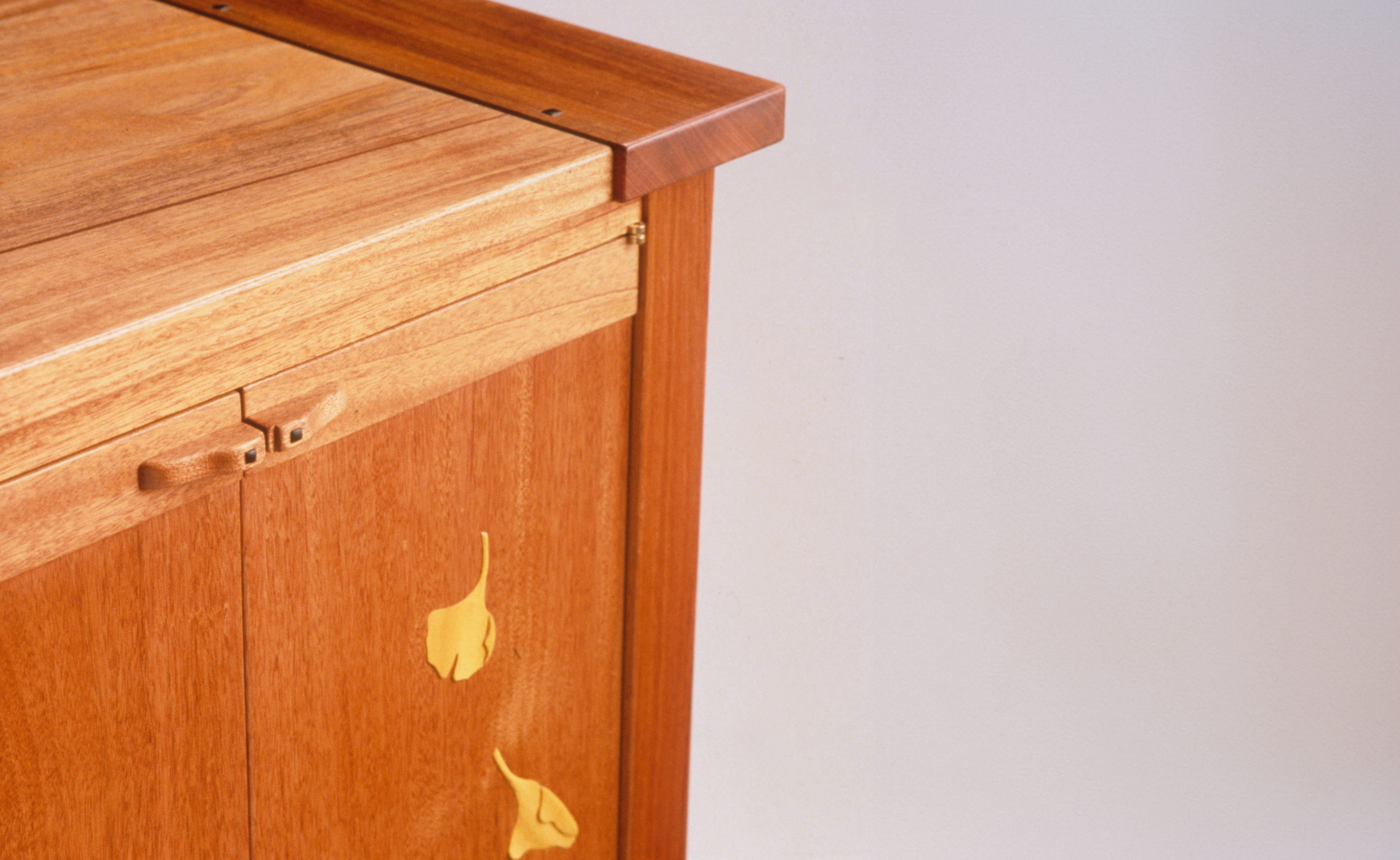
This essay also holds a personal touch for me. At the end, you’ll find a photo of Gary’s gorgeous gate-leg dining table, made in his signature style, which he calls “Oriental Deco.” Gary built this very table for me 35 years ago; in fact, that project is how he and I first met. The table still graces my dining room today—perfectly, in my opinion.
I hope you’ll enjoy reading, “Woodworking vs. Perfection,” by Gary Rogowski.
We always welcome your thoughts and suggestions, which you can offer in a comment, by tagging us in Substack Notes, or via email. Thank you for reading and sharing our stories, for supporting our work with a paid subscription if you can, and for being such a loyal part of the Craftsmanship community.
Sincerely,
Todd Oppenheimer
Publisher & Editor-in-Chief, Craftsmanship Magazine

Woodworking vs. Perfection
Story by Gary Rogowski
It occurs to me that those of us who take on the challenge of working with wood tend to believe in the idea of striving for perfection. This, on the face of it, is utter nonsense.
Wood has a mind and a beauty of its own that is unmatched by the coldness of metal or the icy touch of stone. It has beauty because it is filled with contrast, marbled in color, producing chatoyant brilliance in its polished effects. This makes wood appealing to the eye, soothing to the touch, and completely annoying as a material for the craft worker.
