

Rare Sheep, Rich Yarns
Shepherds, small mills, and local yarn shops are working together to secure a sustainable "fiber economy"—and to meet the growing demand for heritage sheep products.


Dear Friends,
As industrial agriculture has narrowed both livestock genetics and textile production, many wool producers, retailers, and artists who work with fiber are working to revive an old source: heritage breeds of sheep. From all indications, these animals are well suited to building a “fiber economy” that’s more resilient, and more environmentally sustainable, than the fast-fashion market that predominates today.
For textile artist and writer Erika Zambello, a fun knitting project that started during the Covid-19 era evolved into a passion for these rare sheep, and for the variety of yarns that can be produced from them.
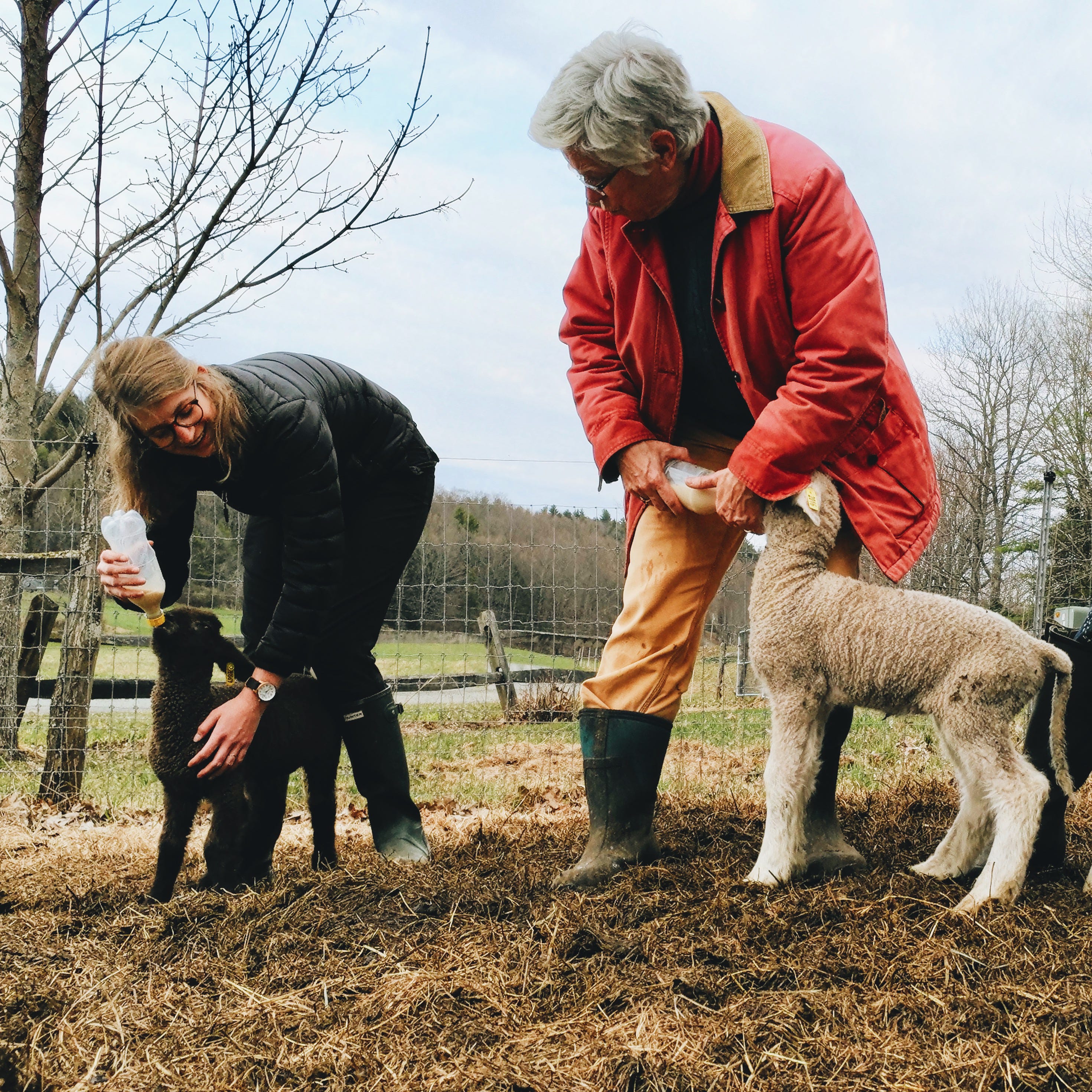
This week’s new story traces the growing movement around breed-specific wool, from the sheep and their shepherds to the small mills, craftspeople, and local yarn shops working to rebuild regional fiber economies from the ground up.
We hope you’ll enjoy reading “Rare Sheep, Rich Yarns,” by Erika Zambello.
We always welcome your thoughts and suggestions, which you can offer in a comment, as a Substack Note, or via email. Thank you for reading and sharing our stories, for supporting our work with a paid subscription if you can, and for being such a loyal part of the Craftsmanship community.
Sincerely,

Todd Oppenheimer
Publisher & Editor-in-Chief, Craftsmanship Magazine
Rare Sheep, Rich Yarns
by Erika Zambello
Scribbled in the back of my knitting notebook are dozens of unusual names—not of people, but of rare breeds of sheep. There’s Gulf Coast, Icelandic, Cormo, Corriedale, Bluefaced Leicester, Orkney Boreray. In a digital album, I have even more: Barbados Blackbelly, Karakul, Shetland, Dorset Horn. I track these names because each breed offers a distinctive wool profile, and an equally distinctive history.
I first discovered heritage sheep breeds through The Livestock Conservancy’s “Shave ‘Em to Save ‘Em” program, launched in 2019 to encourage artists and craftspeople to work with wool from more than 20 breeds that are at-risk for extinction. As a fun incentive, participants receive a “passport” when they sign up for the program; they also earn a sticker every time they try a yarn from a new breed. More than 4,000 passports have been sent out to participants so far, registered to more than 1,600 fiber sellers. My own passport became much more than a fun knitting project: It led me on a fascinating journey into the history of rare breeds.
The Sheep
For millennia, as human populations spread across continents and climates, sheep traveled along with us, evolving through both husbandry and environmental pressures into a remarkable range of breeds. Together, they formed a textile vocabulary as varied as the landscapes that shaped them. Then, beginning in the 19th century, agricultural industrialization greatly narrowed that vocabulary. The result was efficiency—but also loss. Sheep diversity declined, and with it, the nuanced range of wool that was once available.

Continue reading this post for free, courtesy of Craftsmanship Magazine.
 | A guest post by
|