

Making Noise: The Endangered Craft of Foley Sound
Using everything from cornstarch to coconut shells, Foley artists have been creating the invisible landscapes of cinema since the “talkies” were first invented.


Dear Friends,
When we’re engrossed in a movie, most of us aren’t paying close attention to all the ambient sounds that make the film feel “real”: a door closing off-screen; a car starting in the distance; footsteps crunching through snow. But from the earliest days of cinema soundtracks, Foley artists have been creating these layers of sound by hand (and foot), using everyday objects, practiced movement, and deep listening to give audial life to footsteps, fabric, weather—even tension itself.
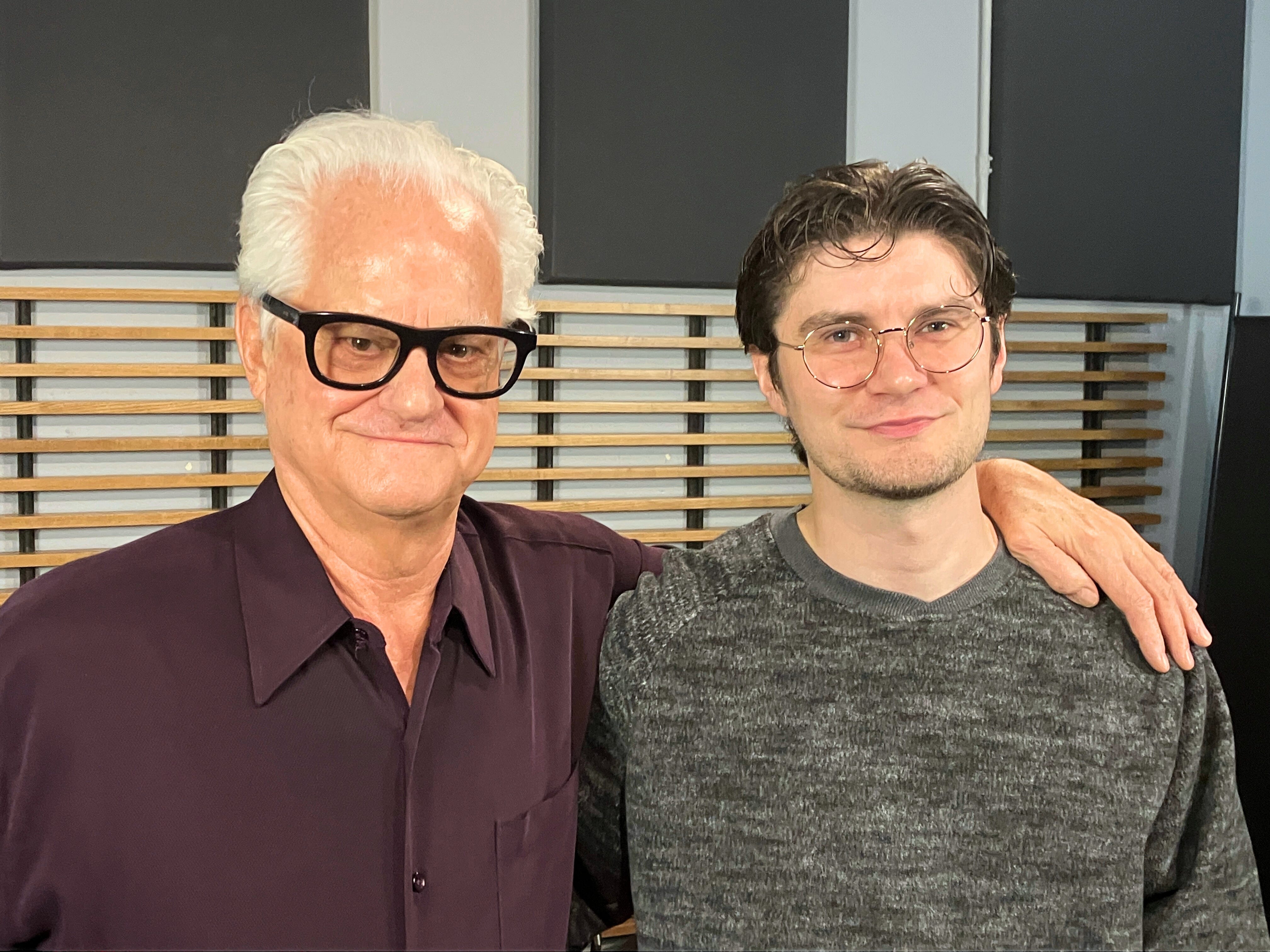
In today’s featured story, Craftsmanship’s Contributing Editor, Jeff Greenwald, takes us behind the scenes at Outpost Studio in San Francisco, where a father and son team of Foley artists demonstrate how Foley is traditionally created, why it is critical to good filmmaking, and which parts of their craft can’t easily be replaced by digital tools.
We hope you’ll enjoy reading “Making Noise: The Endangered Craft of Foley Sound” written by Jeff Greenwald.
We always welcome your thoughts and suggestions, which you can offer in a comment, a Substack Note, or via email. Thank you for reading and sharing our stories, for supporting our work with a paid subscription if you can, and for being such a loyal part of the Craftsmanship community.
Sincerely,
Todd Oppenheimer
Publisher & Editor-in-Chief, Craftsmanship Magazine
Making Noise: The Endangered Craft of Foley Sound
by Jeff Greenwald, Contributing Editor
Imagine you’re watching a film. A small band of plotting pirates rows toward a galleon. They hit the side of the ship. Orders are barked, and they climb up the hull on rope ladders.
Here’s the problem: The on-set microphones only picked up the dialogue. Your challenge is to compose, using physical objects and digital tools, every sound the audience expects to hear in the background.
Where do you even begin? Sound engineer Dave Nelson’s expertise—working with his son and business partner, Karl, at San Francisco’s Outpost Studio—lies in finding (or creating) those sounds. This is the craft of a Foley artist.
“First you look for rope sounds,” Dave says, “the focus of the scene, and the sound their small boat would make as it hit the side of the ship.” Dave has worked as a sound engineer and Foley artist since 1989, and his mind is wired for such challenges. “Then you would do their feet on the side of the ship, along with the rope ladder. We would likely record all their clothes and gear. Meanwhile, you'd also be hearing the sound of the ocean around them, and the sound of the ship moving in the water.”
Jack Foley, a sound artist at Universal Studios, developed a way to create and synchronize such effects with films—a discovery that transformed cinema, and is still used in nearly all films (as well as radio plays). Whether it’s the roar of Godzilla, a group of kids in a playground, or lovers on a squeaky mattress in a cheap hotel, a Foley artist is behind those sounds.

Continue reading this post for free, courtesy of Craftsmanship Magazine.
 | A guest post by
|